
Introduction:
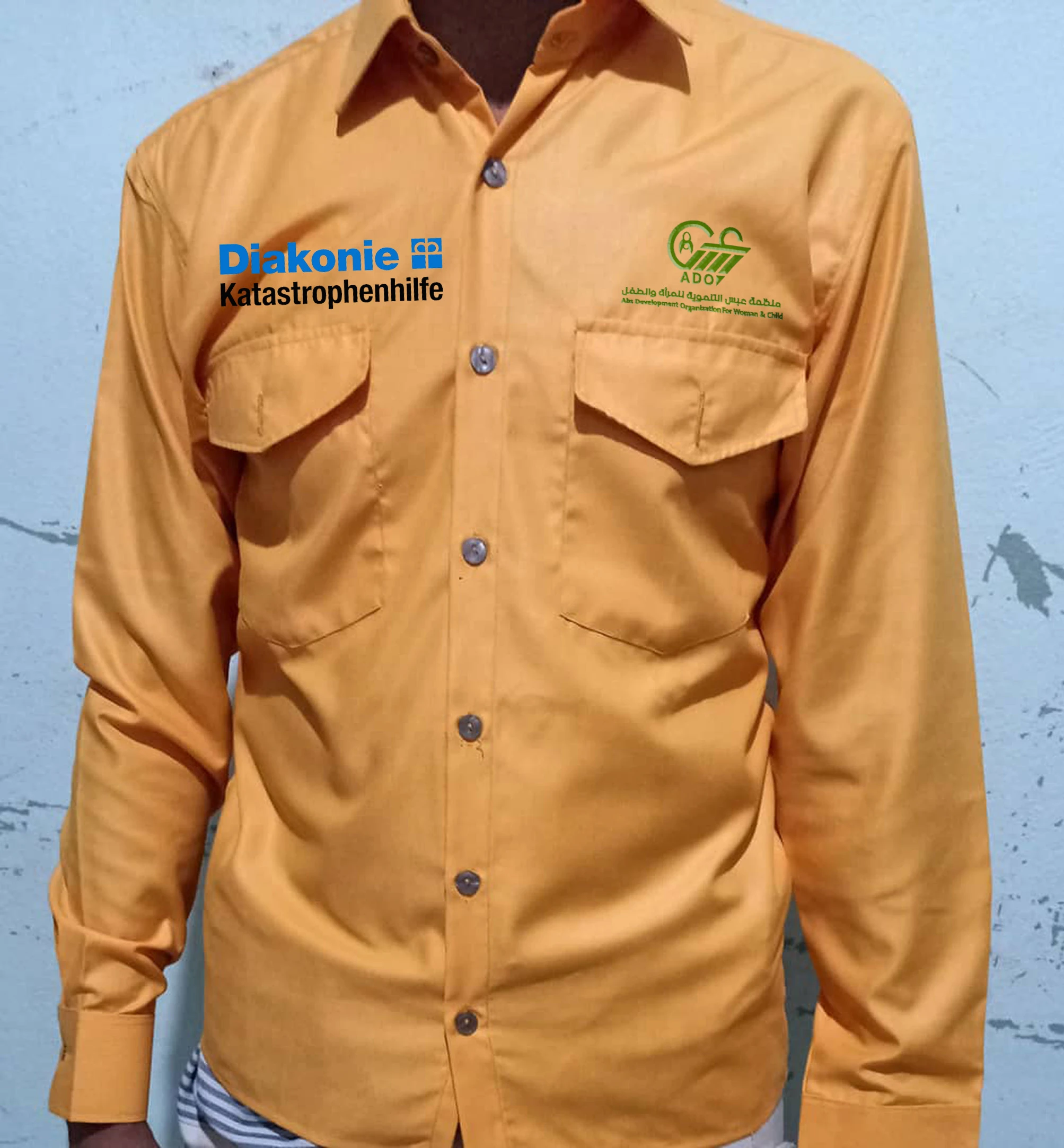
Yemen remains one of the world’s worst humanitarian crises, with millions facing food insecurity, displacement, and lack of access to basic services. In Al Mukha District, the fragile truce and economic collapse exacerbated these challenges, leaving families struggling to survive. The Hunger Crisis Response Project, implemented by ADO and funded by DKH, aimed to address these urgent needs through cash assistance, water rehabilitation, and community empowerment.
The Challenge:
Al Mukha’s residents faced severe food insecurity, contaminated water sources, and unemployment. Families like Amina’s (a widow with five children) relied on one meal a day, while seasonal floods destroyed farmland and homes. The lack of clean water and hygiene awareness also led to disease outbreaks, further straining vulnerable households.
Our Intervention Activities:
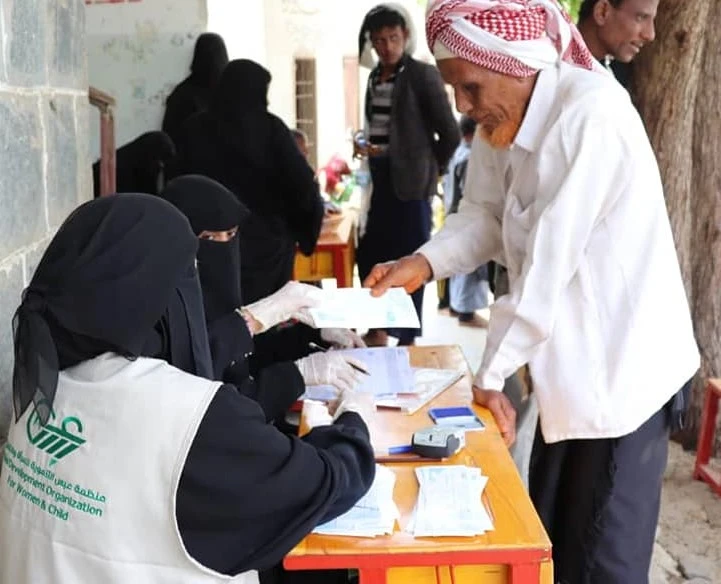
- Unconditional Cash Transfers (UCT): Provided six rounds of cash assistance to 556 households, enabling them to purchase food and essentials.
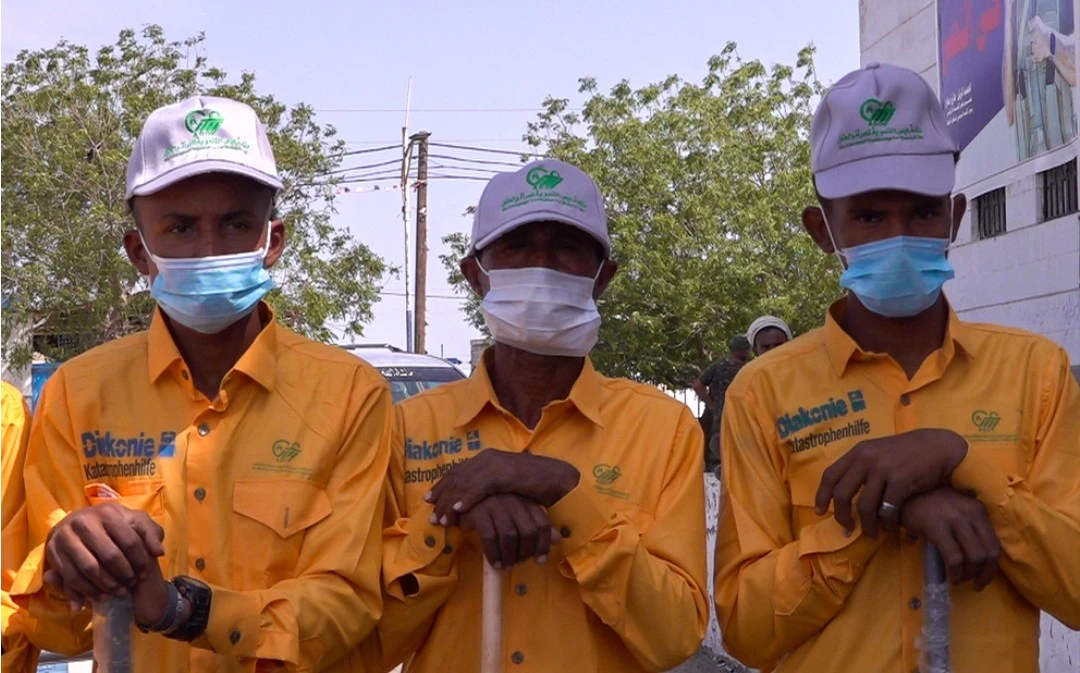
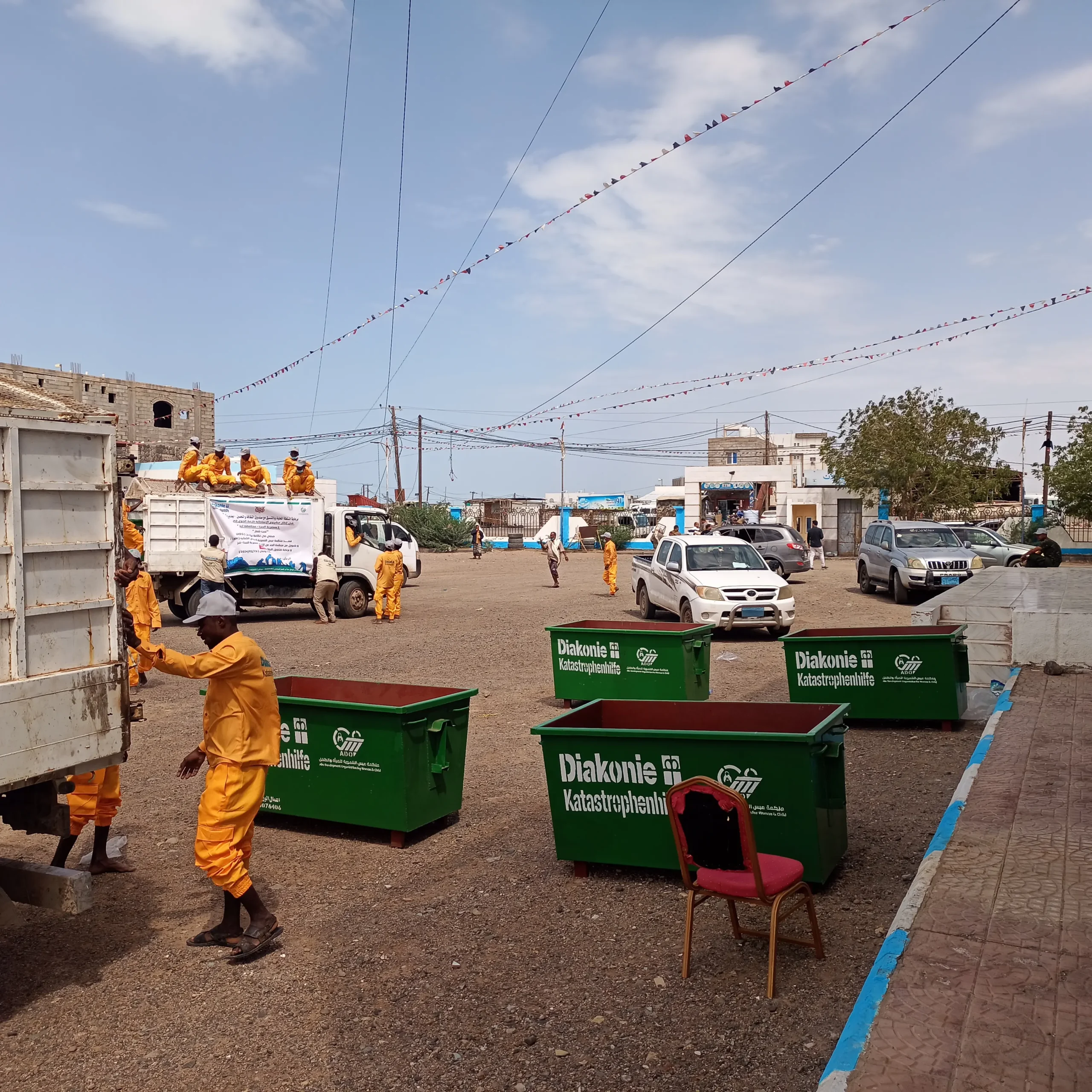
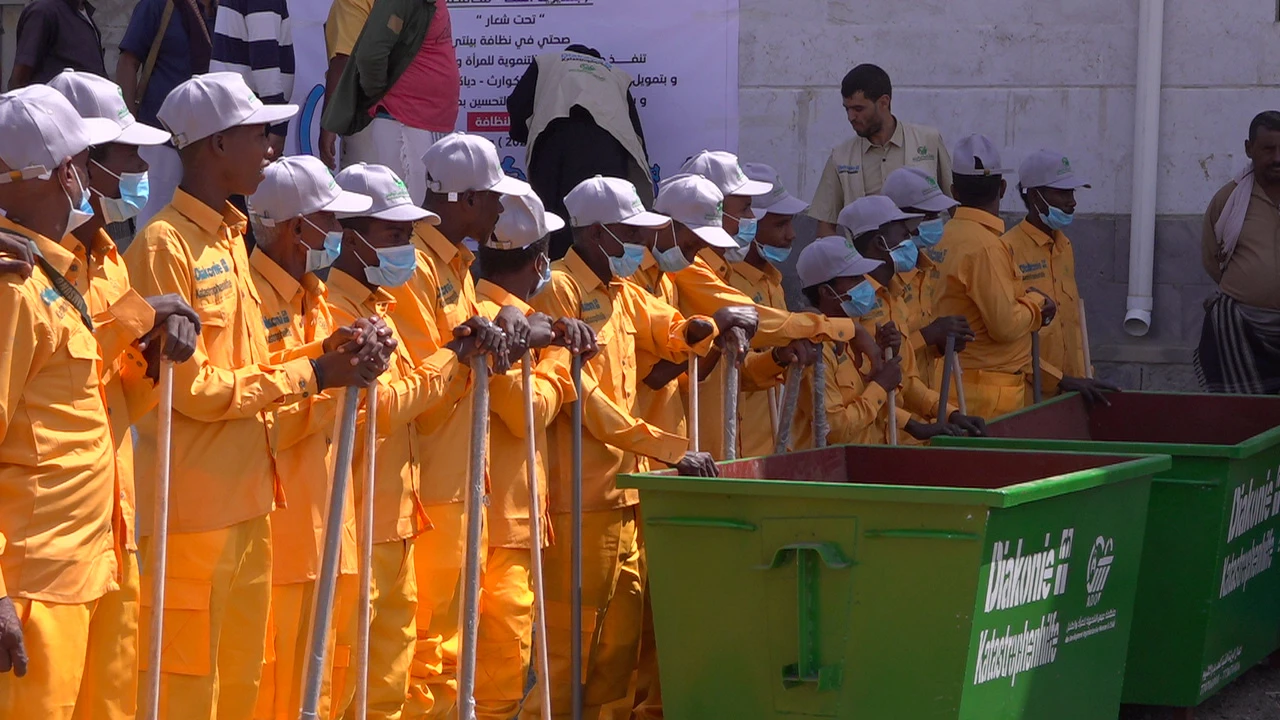
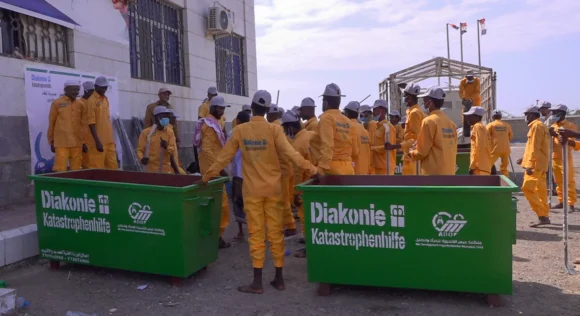
- Cash-for-Work (CFW): Engaged 100 beneficiaries in rehabilitating roads and flood barriers, offering income while improving community infrastructure.
- Water Well Rehabilitation: Restored two wells in Khudairma village, ensuring access to safe drinking water for 250 households.
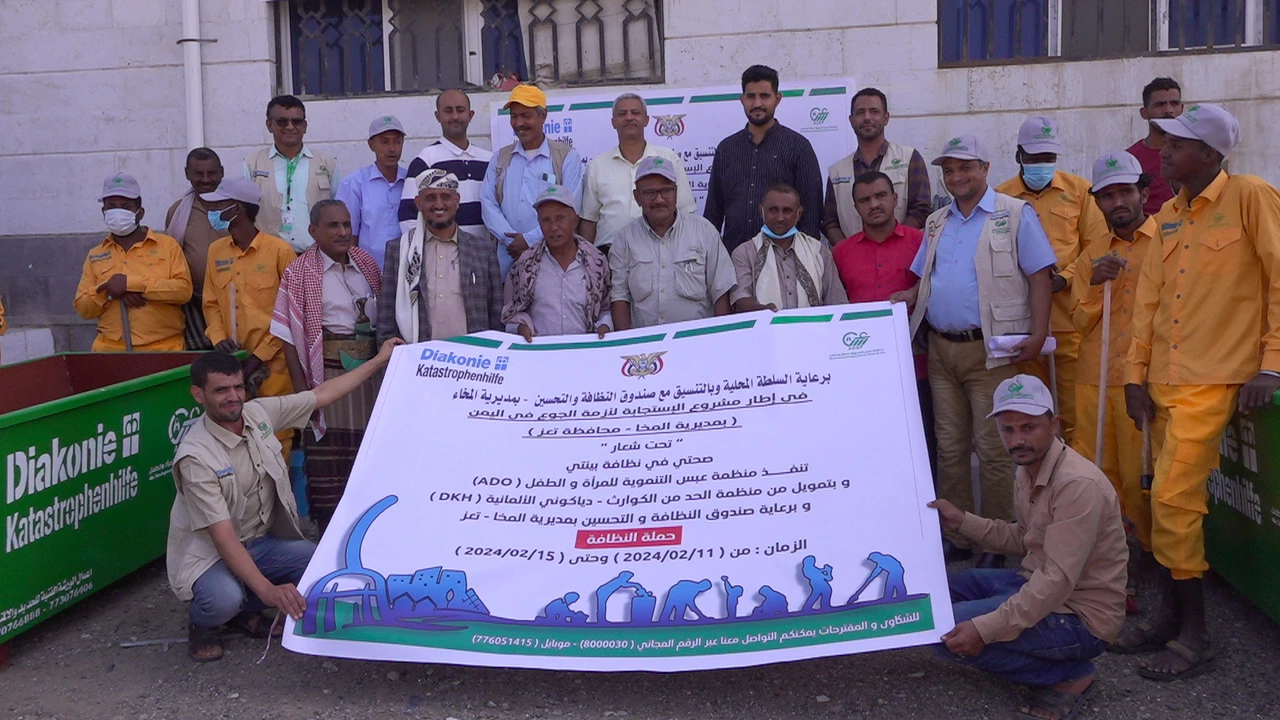
- Hygiene Promotion: Trained 15 volunteers to conduct awareness sessions, reaching 1,448 households—triple the initial target.
The Results:
- Food Security: 90% of UCT recipients reported improved ability to meet nutritional needs.
- Livelihoods: CFW participants earned 155,000 YER/month, revitalizing local economies.
- Water Access: Rehabilitated wells reduced waterborne diseases by 40%.
- Community Resilience: Established committees to manage water assets and maintain clean environments.
Quotes from Beneficiaries:
- Wafa, UCT Recipient: “The cash helped me buy rice and medicine for my children. For the first time in months, they slept without hunger.”
- Mohammed, CFW Participant: “Building the flood wall protected our farms. Now we have work and safety.”
Conclusion:
The project not only addressed immediate needs but also built long-term resilience. By combining cash assistance, infrastructure repair, and community training, ADO and DKH empowered Al Mukha’s residents to withstand future shocks.
Call to Action:
Yemen’s crisis is far from over. Support ongoing efforts to scale lifesaving interventions and advocate for sustainable solutions. Together, we can turn survival into stability.