
Introduction:
The Western Coastal areas of Yemen, particularly Al Mukha and Al Khawkha districts, have been severely affected by years of conflict, displacement, and natural disasters. Fishing, once a primary source of livelihood for many families, became increasingly unsustainable due to the destruction of fishing assets, lack of access to markets, and poor post-harvest practices. This led to widespread food insecurity and economic instability, leaving communities vulnerable and reliant on negative coping strategies such as skipping meals or selling assets.
In response, the project “Increasing Resilience through Innovative and Sustainable Improvement of Food Security and Livelihoods for Returnees, IDPs, Migrants, and Host Communities in the Western Coastal areas of Yemen” was launched in January 2021. Funded by BMZ and implemented by DKH in collaboration with ADO, the project aimed to restore livelihoods, enhance food security, and build resilience among vulnerable coastal communities.
The Challenge:
Before the project, fishing communities in Al Mukha and Al Khawkha faced numerous challenges:
- Loss of Fishing Assets:Many fishermen lost their boats, engines, and nets due to conflict and economic instability, leaving them unable to fish.
- Post-Harvest Losses:Poor handling and storage practices led to significant spoilage, reducing the market value of their catch and further diminishing their income.
- Limited Access to Financial Services:Fishermen lacked access to formal financial services, forcing them to rely on informal lenders with high interest rates.
- Gender Inequality:Women, who played a crucial role in fish processing and net weaving, were often excluded from economic opportunities and decision-making processes.
These challenges created a cycle of poverty and food insecurity, with many families struggling to meet their basic needs.
Our Intervention:
The project adopted a holistic approach to address these challenges, focusing on three key areas:
- Provision of Productive Assets:
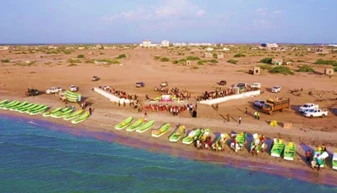
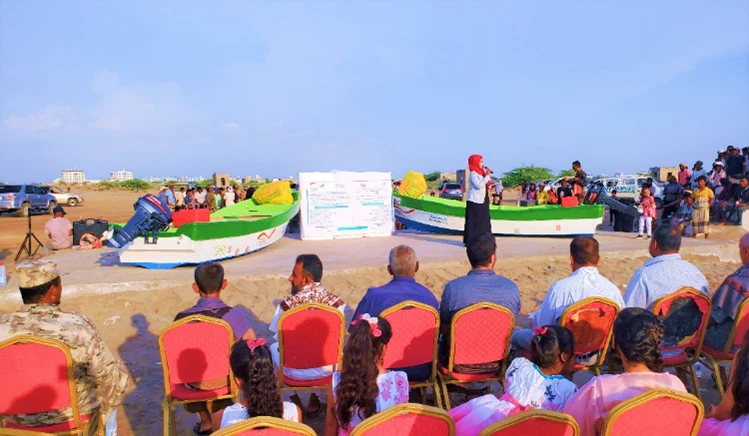
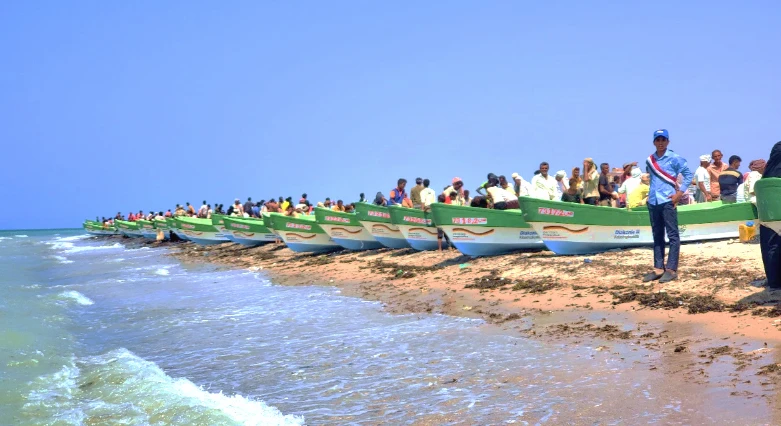
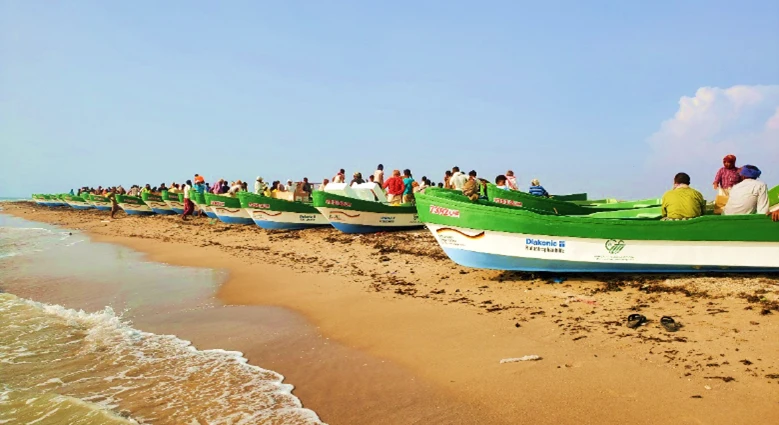
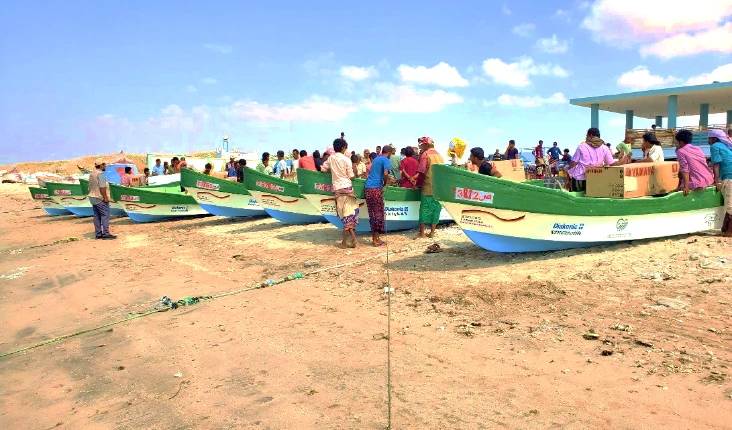
The project distributed boats, engines, fishing nets, lifejackets, and GPS devices to 825 beneficiary households. Each group of five households shared one grant package, ensuring equitable access to resources. The assets were carefully selected based on their relevance to local fishing practices, affordability, and ease of maintenance.
- Vocational Training and SME Formation:
To ensure long-term sustainability, the project provided vocational training to 50 young fishermen in boat and engine maintenance and business planning. Additionally, 60 women were trained in fish handling, net weaving, and business management. These trainings led to the formation of 22 small and micro-enterprises (SMEs), empowering beneficiaries to generate sustainable income.
- Awareness-Raising Sessions:
The project conducted 43 awareness sessions on reducing post-harvest losses and 31 sessions on accessing financial services. These sessions educated beneficiaries on best practices for fish handling, storage, and preservation, as well as how to access formal financial services such as savings accounts and microloans.
The Results:
The project achieved significant improvements in food security, livelihoods, and resilience among the targeted communities:
- Improved Food Security:
The endline evaluation revealed that 100% of households achieved an “Acceptable” food consumption score, up from 85% at baseline. The average score increased from 72.6 to 106.1, indicating a substantial improvement in food security.
- Increased Income:
The provision of productive assets and vocational training enabled beneficiaries to resume fishing activities and diversify their income sources. Household income levels increased significantly, reducing reliance on negative coping strategies.
- Reduced Post-Harvest Losses:
Awareness sessions on post-harvest losses equipped fishermen with the knowledge and tools to minimize spoilage, leading to higher-quality catches and increased market value.
- Empowerment of Women:
The project actively engaged women in vocational training and SME formation, enabling them to generate independent income and take on leadership roles within their communities. This challenged traditional gender norms and promoted greater equality.
- Strengthened Resilience:
The project strengthened resilience at the individual, household, and community levels. Beneficiaries reported increased confidence in their ability to cope with economic shocks and adapt to changing circumstances.
Quotes from Beneficiaries:
- Haifa, a beneficiary of the project:
“ Before the training, I had no skills, no job, and no way to support my family. Now, we have own SME and a stable source of income. Additionally, we now have our own product brand, Wadi El Malek Tuna. As a result, I am able to support my family and assist my father with expenses.”
- Ibrahim, a young person trained in boat maintenance:
“The training I received not only helped me repair my boat but also gave me the skills to start my own business. I now earn enough to support my family and even hire others to work with me.”
Conclusion:
The project successfully transformed the lives of vulnerable fishing communities in Yemen by addressing the root causes of food insecurity and economic instability. Through the provision of productive assets, vocational training, and awareness-raising activities, the project empowered beneficiaries to rebuild their livelihoods and achieve long-term resilience.
The success of this project demonstrates the importance of innovative and sustainable approaches in addressing complex humanitarian challenges. By continuing to invest in such initiatives, we can create a brighter future for Yemen’s coastal communities, ensuring they have the tools and resources needed to thrive in the face of adversity.
Call to Action:
This project has shown that even in the most challenging contexts, positive change is possible. With your support, we can expand these efforts to reach more communities in need, helping them build resilience and achieve self-reliance. Together, we can make a lasting impact on food security and livelihoods in Yemen.